Sedona Vortex Sites: What They Are and Where to Find Them
What is documented, what is claimed, and exactly where the four named sites are.
Ask ten people in Uptown what a Sedona vortex is, and you will get ten different answers, at least three of which contradict each other. That is not evasiveness. It is the honest state of a forty-five-year-old idea that started with one psychic's account in 1980, grew into a real tourism industry, and now sits at the center of an ongoing disagreement between geologists and energy workers who are all standing on the same rock. Here is what is actually documented about Sedona's vortex sites, what people claim happens at them, and exactly where to go if you want to decide for yourself.
What "Vortex" Actually Means Here
In Sedona, a vortex is described by believers as a spot where the earth's energy runs unusually strong: an "upflow" or masculine site where energy is said to rise, a "downflow" or feminine site where it's said to draw inward, or a balanced site said to hold both. It's worth being direct about what that means and doesn't mean. Nobody has produced a peer-reviewed, independently replicated physical measurement of this energy (more on the actual attempt to find one below). The vortex is a spiritual and metaphysical framework, not a documented geological or electromagnetic phenomenon. That doesn't make the sites meaningless. It makes them a genuinely interesting case of belief, geography, and tourism intersecting in one town, worth taking seriously as a cultural fact even if you don't take the energy claim as a scientific one.
Where the Idea Came From
Around 1980, a psychic named Page Bryant, then living temporarily in Sedona, said she made contact with a spirit guide she called Albion, who described several energy centers scattered through the area's red rock country. According to Janeen Trevillyan, a historian at the Sedona Heritage Museum, Bryant named these spots "vortexes" and began leading people to them. She wasn't the first to bring spiritual seekers to town: psychic researcher Dick Sutphen had already been running spiritual retreats in Sedona before Bryant coined the term, part of a broader New Age movement that found the area's dramatic scenery an obvious draw. By the mid-1980s, vortex tours, workshops, and a small industry of energy-focused shops had taken root, and it has only grown since. Sedona now draws roughly three million visitors a year, and a meaningful share of Uptown's downtown (crystal shops, psychic readings, guided tours) is built around this idea.

Documented vs. Claimed, and Why the Split Matters
This is worth separating cleanly, not as a disclaimer tacked onto the end, but as the actual shape of the story.
Documented: Page Bryant lived in Sedona around 1980 and is credited by local historians with coining the term "vortex" for these sites. Dick Sutphen was running spiritual tours in Sedona before her. The four sites named below are real, physical, mapped locations you can hike or drive to. Sedona's tourism economy is substantially, verifiably built around this belief, drawing millions of visitors annually.
Claimed, by believers, and not independently measured: that each site emits a distinct kind of energy (masculine, feminine, or balanced). That this energy affects mood, meditation, or physical sensation in visitors. That the twisted juniper trees often pointed to as visible proof of vortex energy are caused by that energy specifically. It's a strange claim to build an entire energy field on: twisted junipers with no single agreed cause turn up elsewhere in the high desert too, vortex or not.
Keeping these two lists separate isn't a hedge. It's the only honest way to describe a belief system without mocking the people who hold it or pretending it's been proven.
What Science Actually Says
Two very different people have looked at this seriously, and neither found measurable energy.
Steven Semken, a geologist at Arizona State University, has said plainly that there is no scientific evidence for a vortex at these sites, and that he isn't aware of a clear, testable definition of what a "vortex" would even mean in physical terms. Energy, in the sense a geologist or physicist uses the word, is measurable and conserved. Nothing about that has turned up validated readings at Bell Rock or Cathedral Rock.
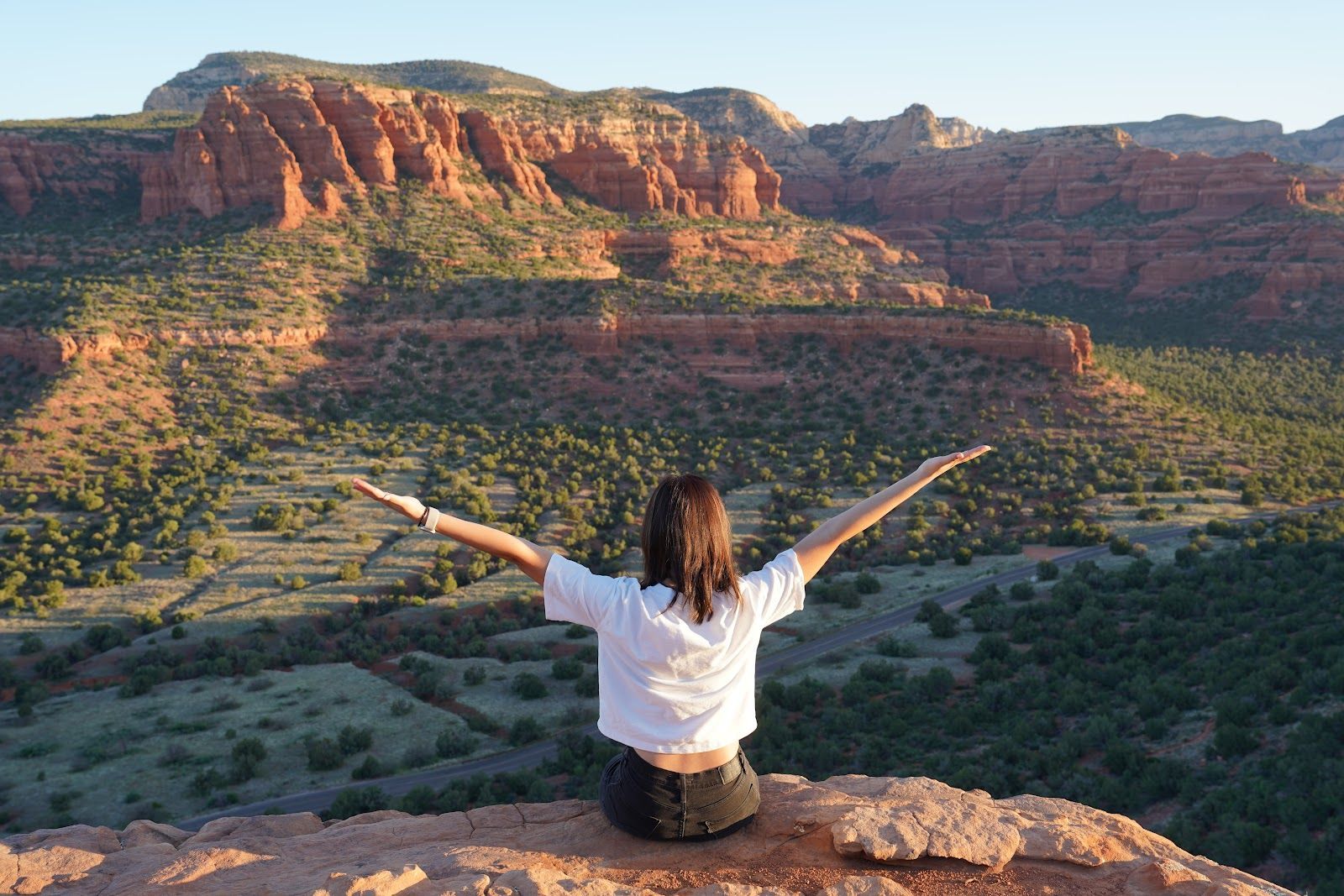
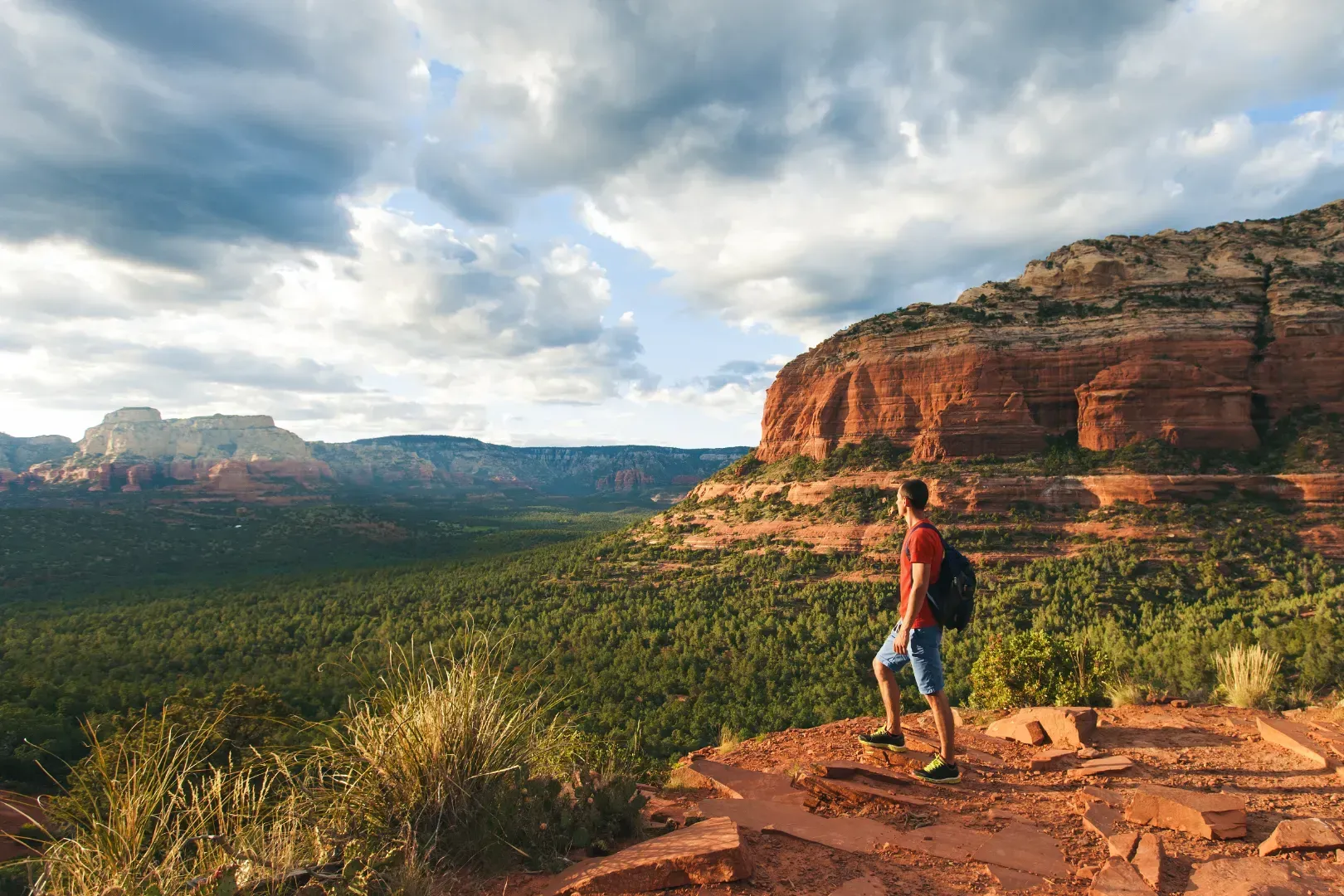
The more interesting figure is Pete Sanders, an MIT-trained researcher who moved to Sedona and spent years trying to actually measure something at these sites with instruments. He didn't find electromagnetic or magnetic anomalies either, and he has said outright that "vortex" is a misleading word that simply stuck. His conclusion wasn't that nothing happens at these places, but that what happens is psychological rather than energetic: elevated, exposed sites like Bell Rock give you a literal wide view that can make problems feel smaller, while enclosed, canyon-like sites like Boynton Canyon limit distraction and encourage introspection, the way any quiet, dramatic landscape might. That's a real, defensible claim about how landscape affects mood. It's a different claim than an energy field, and Sanders draws that line himself.

The Four Sites Everyone Means by "Sedona Vortex"
Most vortex guides, including Sedona's own official visitor site, point to the same four locations, and they're worth knowing by name before you go looking at a Sedona vortex map or planning a trip around this at all.
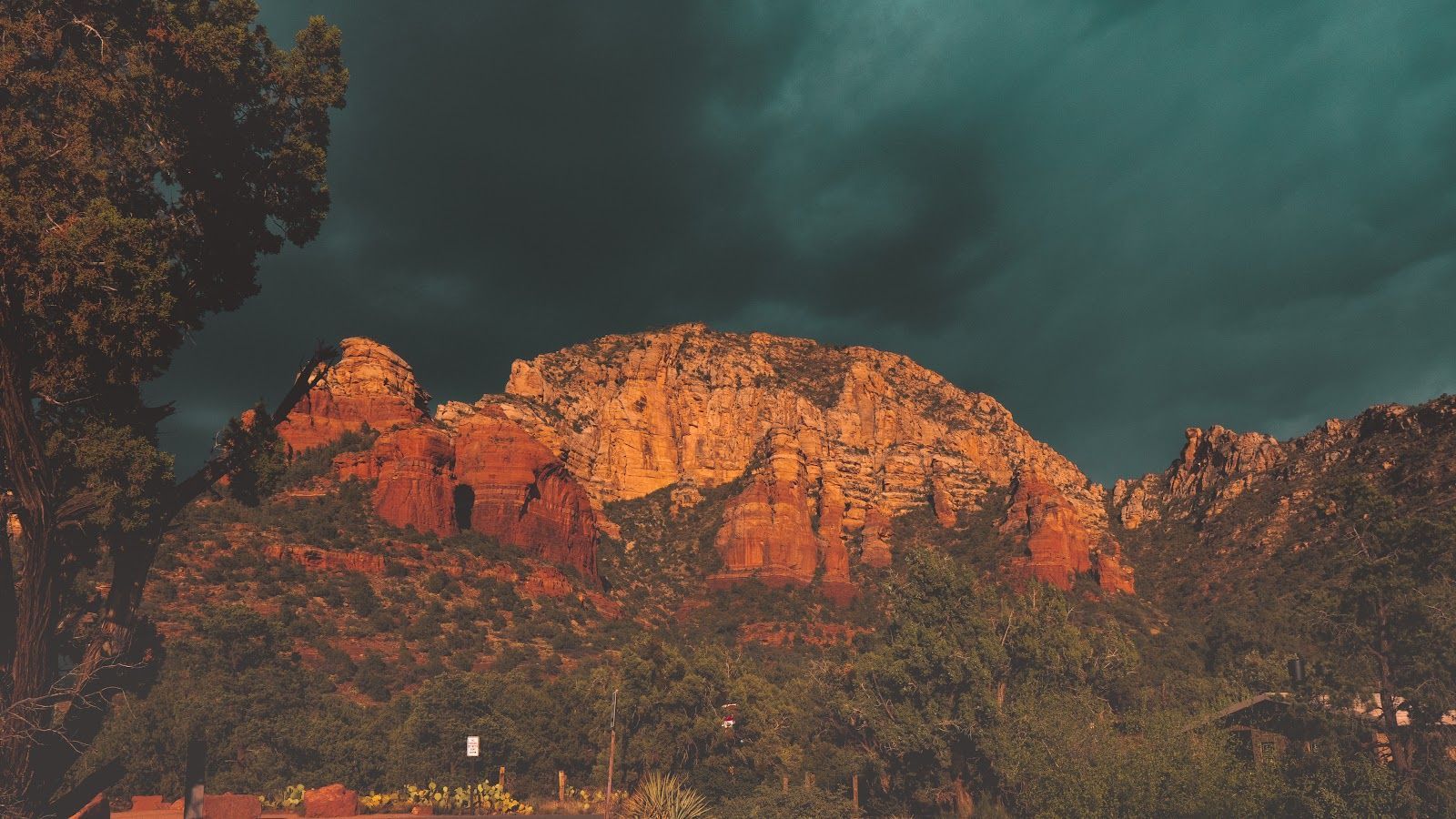
Bell Rock, just off Highway 179 near the Village of Oak Creek, is the easiest to reach and is generally described as balanced-to-masculine energy. You can see it clearly from the road, and the Bell Rock Pathway lets you get closer without a serious hike.
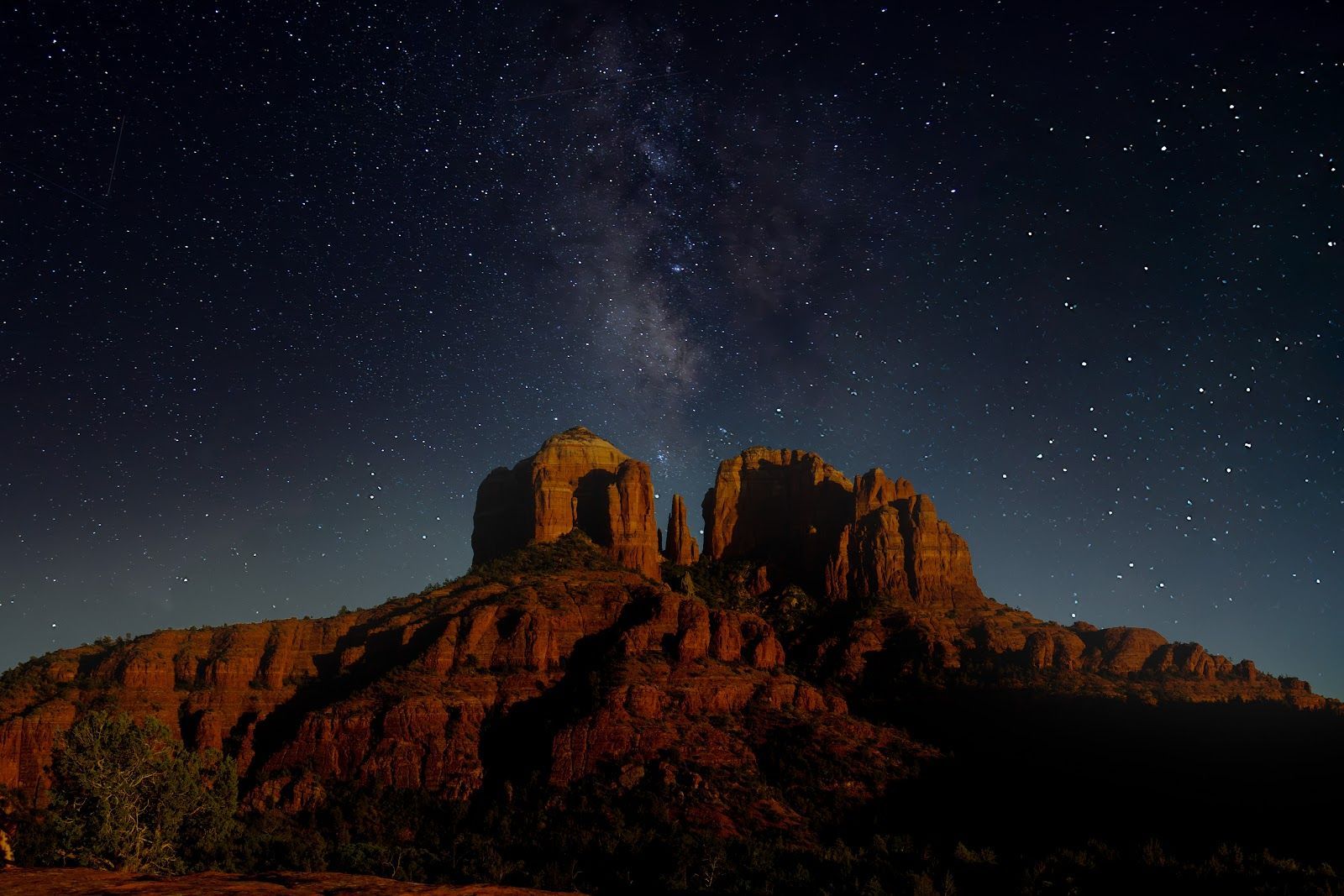
Cathedral Rock, widely described by believers as the strongest feminine or "magnetic" site, has one of Sedona's more strenuous short trails, including a steep rock scramble near the top that surprises people expecting an easy walk.
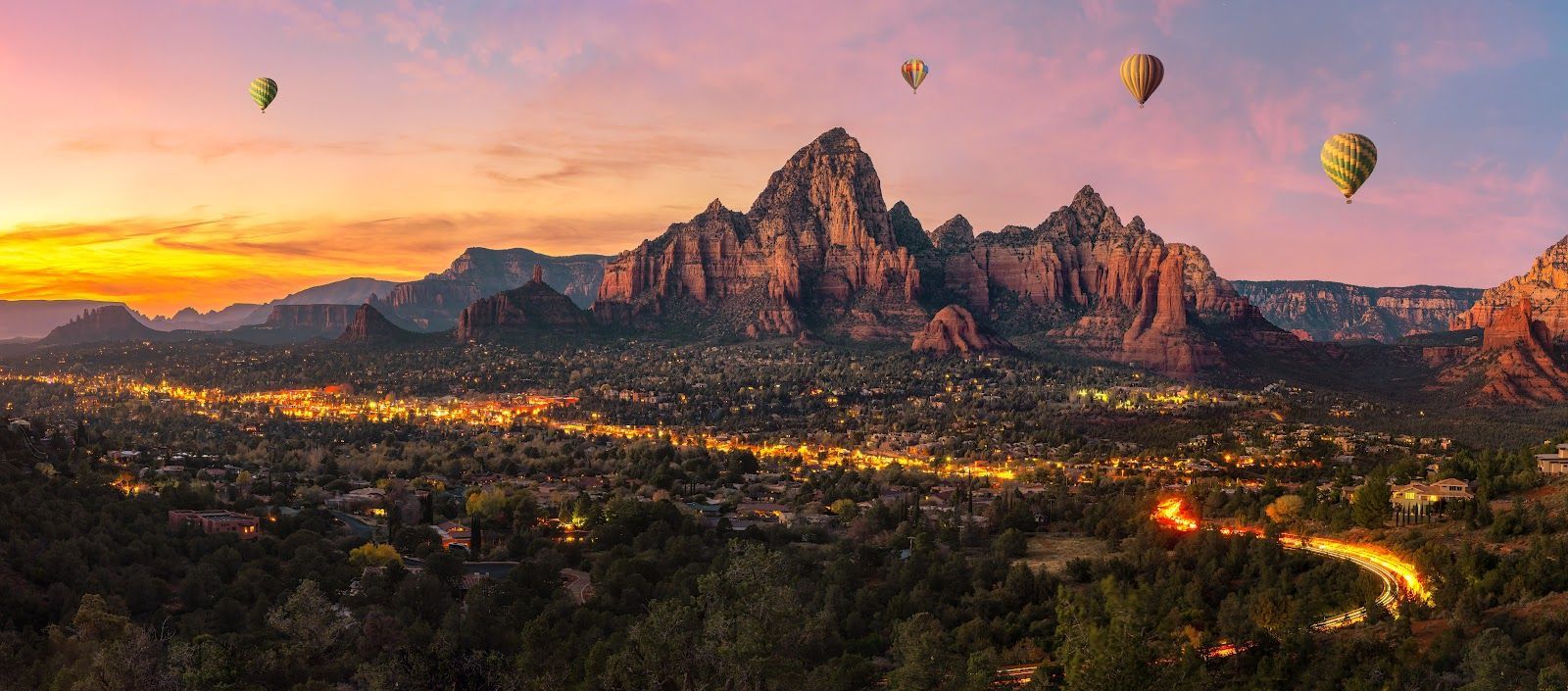
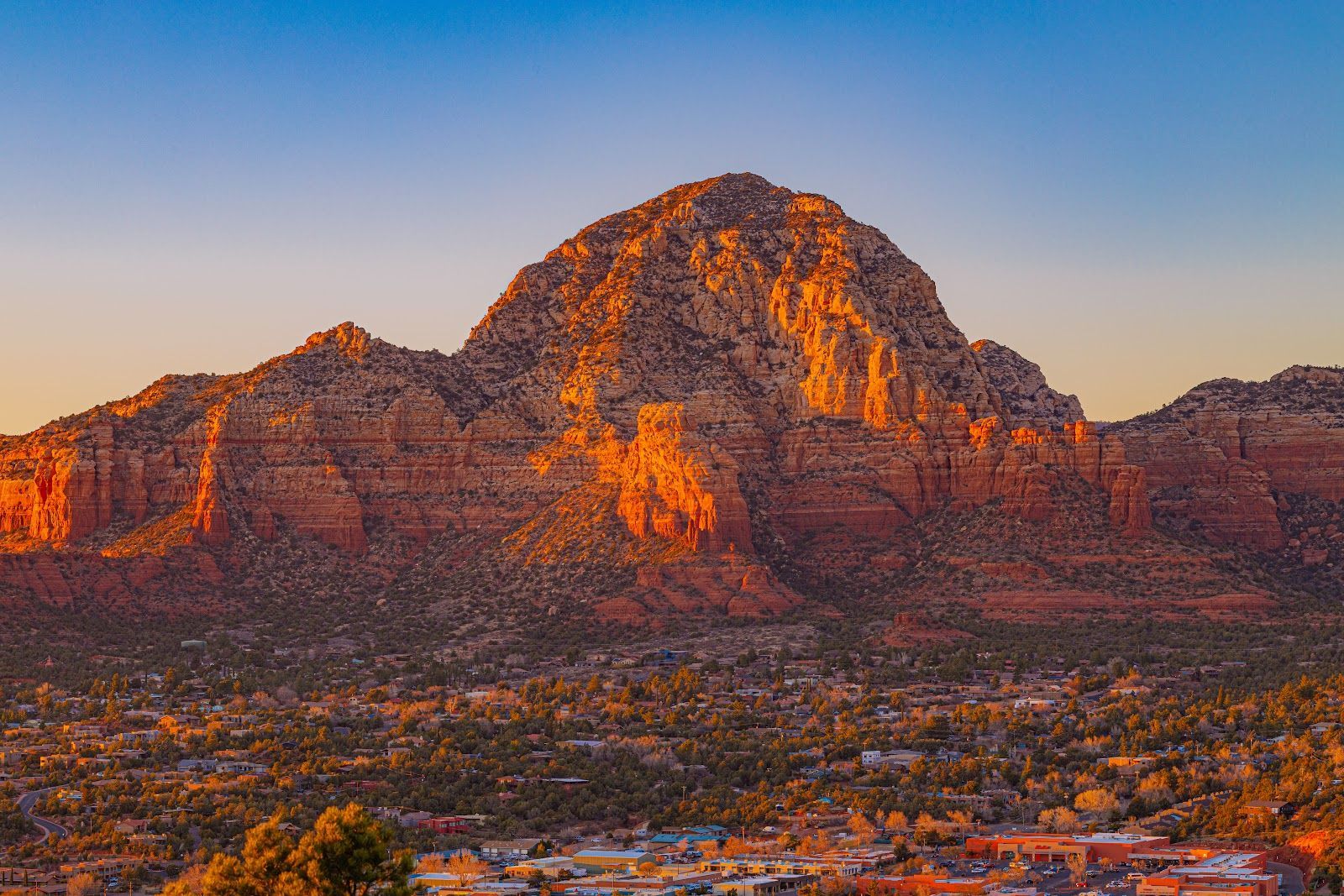
Airport Mesa, above Uptown right off Airport Road, is generally described as electric or masculine energy. It's also, independent of any belief about vortexes, one of the best sunset views in town.
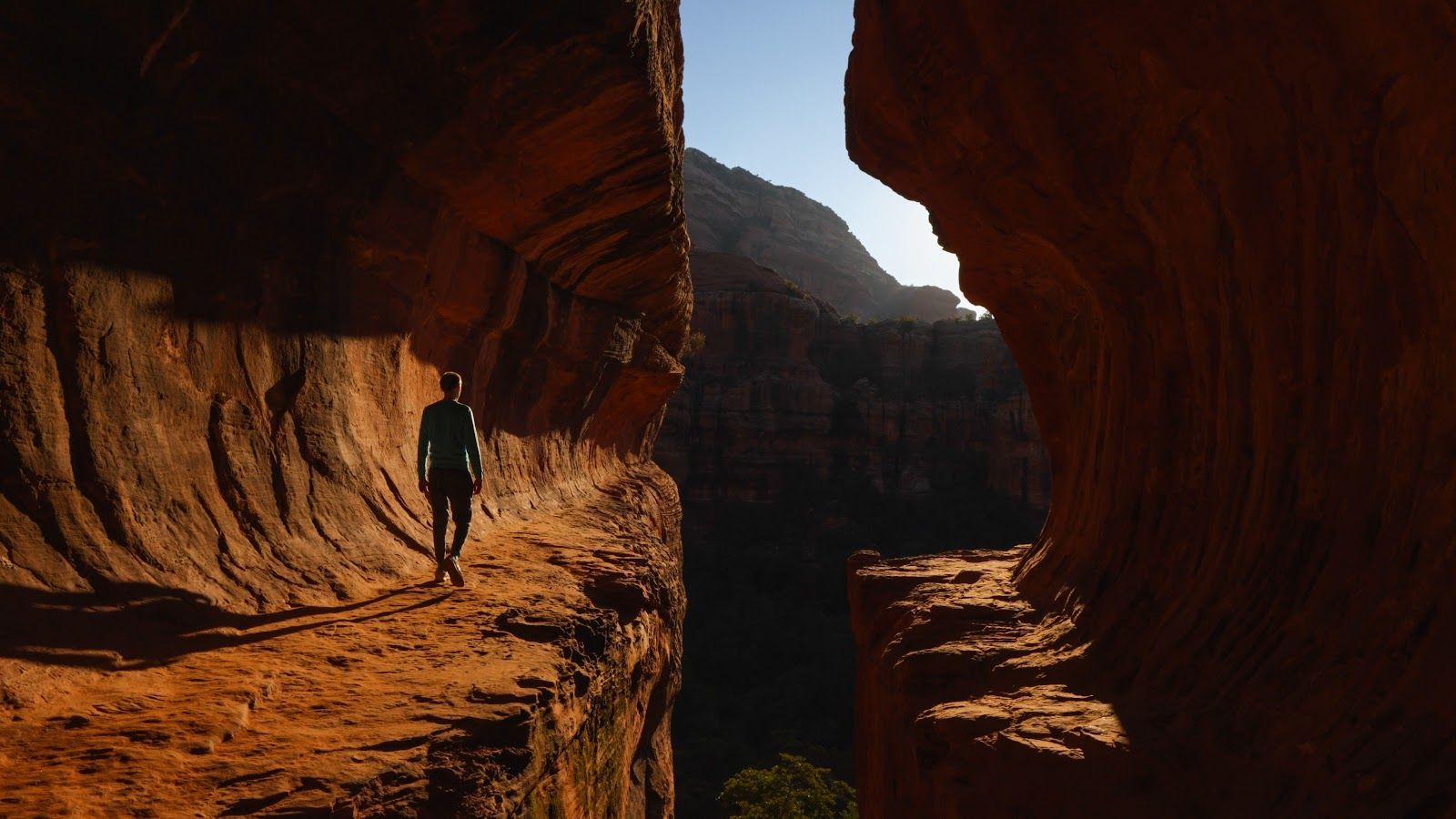
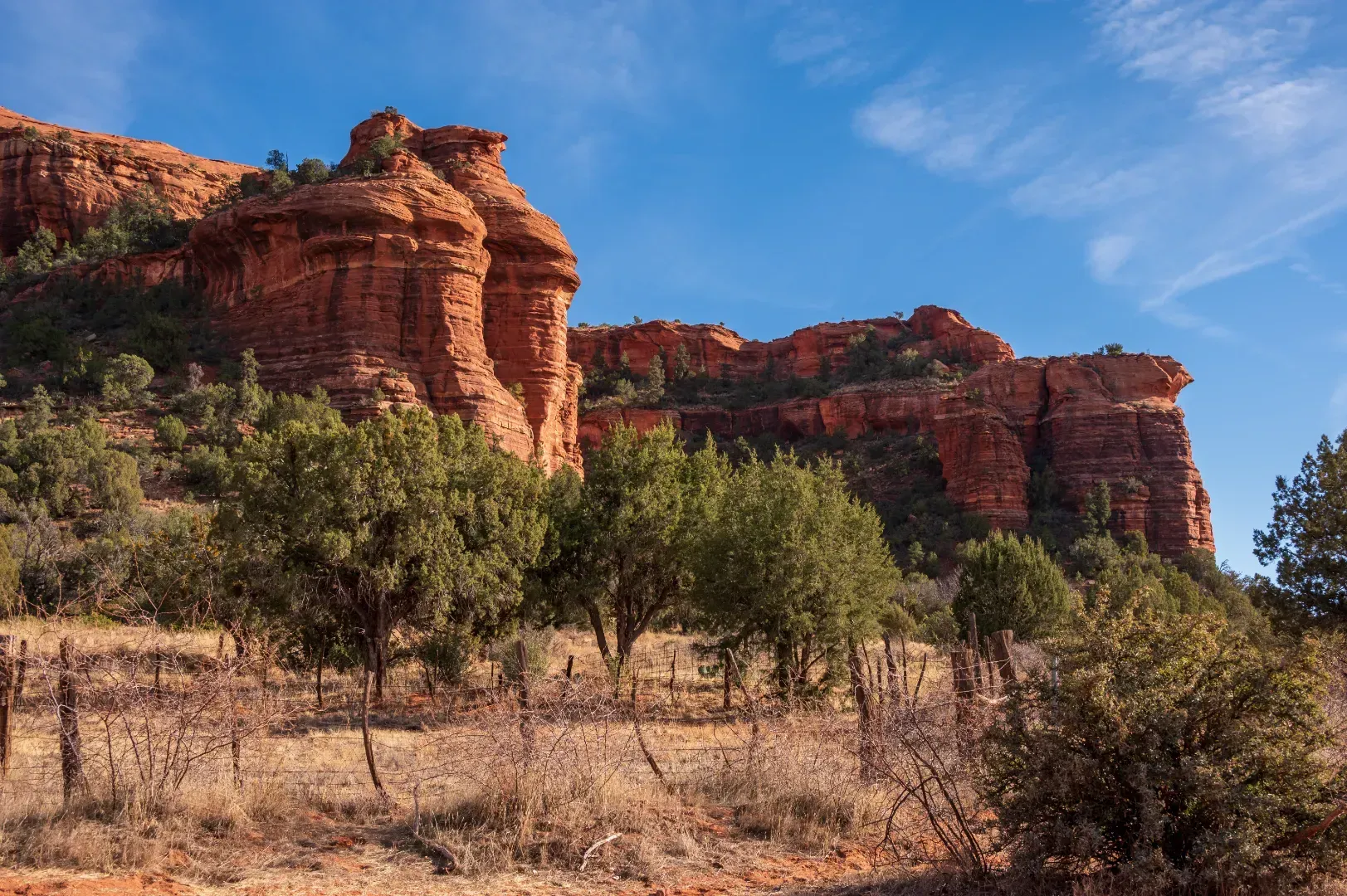
Boynton Canyon, tucked into a box canyon in West Sedona, is usually described as balanced energy and tends to draw a quieter, more contemplative crowd than the busier atmosphere at Bell Rock or Airport Mesa.
Getting There: Passes, Timing, and Etiquette
Bell Rock and Boynton Canyon both sit on Coconino National Forest land and require a Red Rock Pass to park at their trailheads: $5 for a day, $15 for a week, or $20 for the year, available at forest kiosks, the Sedona Chamber of Commerce visitor center, and online. Airport Mesa isn't on the list of sites requiring the pass, though its lot fills up fast around sunset regardless. A quick stop under about 15 minutes at any of these, just for a photo, doesn't require a pass at all.
Whatever you believe about the energy, the etiquette is the same as at any trail: stay on the marked path, don't stack rocks or leave crystals behind (a small but real problem at the more popular sites), keep noise down if others are meditating nearby, and go early or late in the day, both for the light and to avoid the worst of the crowds and heat.
A Base Close to All Four
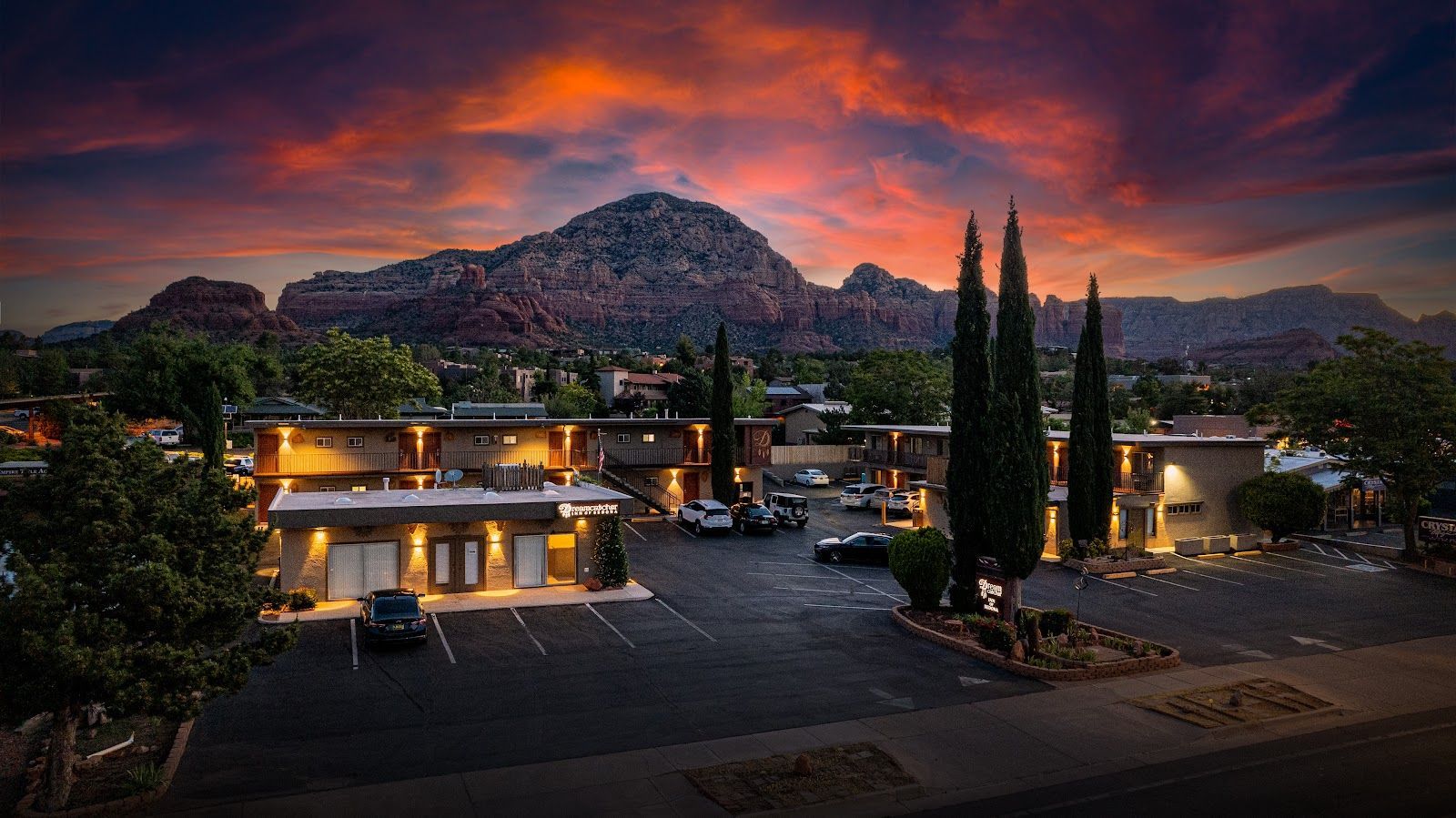
You don't need to resolve the vortex debate before booking a room, and most visitors don't. Dreamcatcher Inn is an easy walk from Uptown Sedona, close enough to Airport Mesa that you can watch the sunset and walk back for dinner, and central enough that Bell Rock, Cathedral Rock, and Boynton Canyon are all a short drive rather than a long one. Rooms and suites here work whether you're in for one night or staying long enough to visit all four sites and form your own opinion, and it's a quiet, walkable base for planning a vortex tour, a night-sky outing, or just a slower version of a Sedona trip.