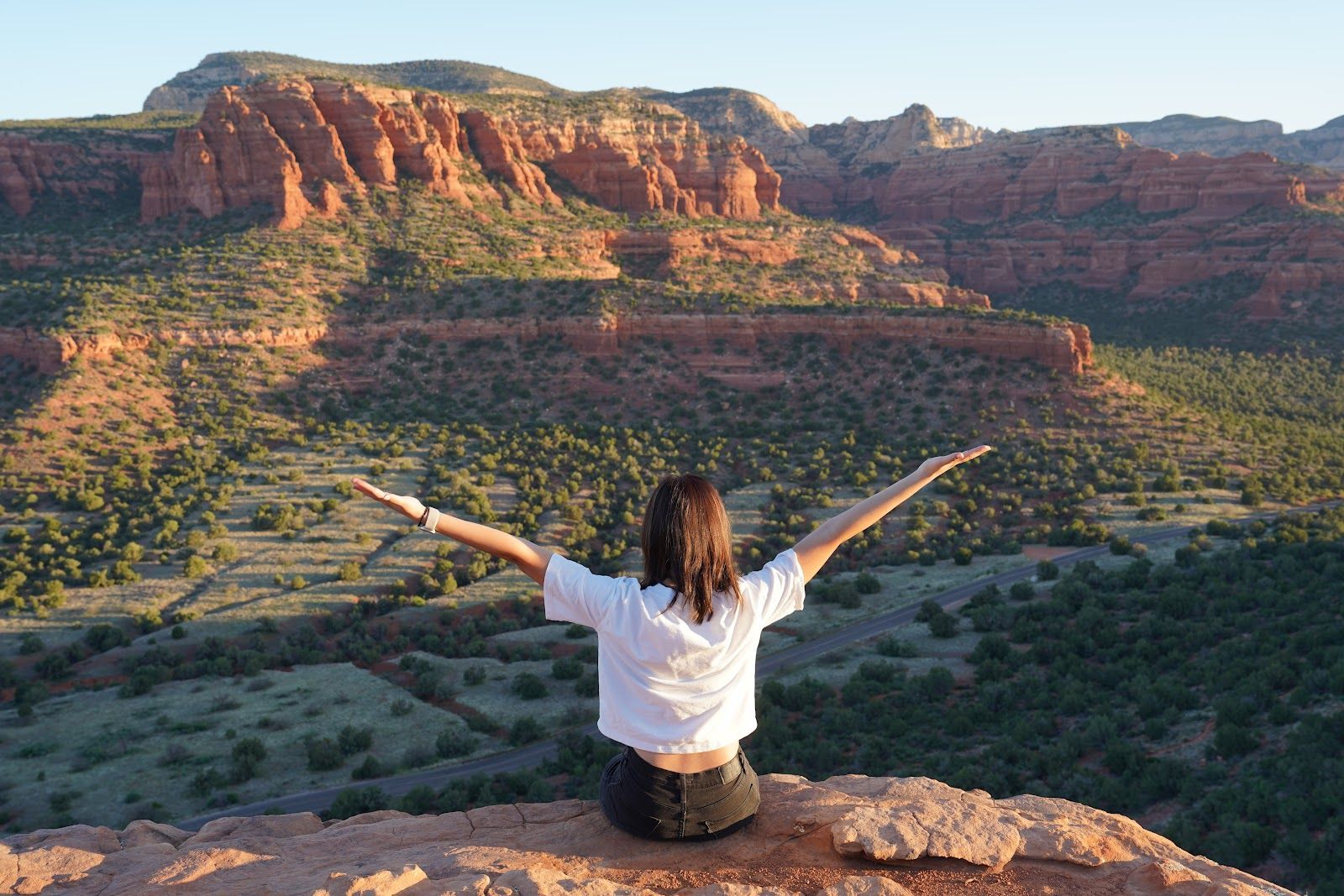
Sedona UFO Tours: Why the Red Rocks Draw Sky Watchers
Dark skies, local lore and night-vision tours: what draws sky watchers to Sedona.
There are a lot of dark places in the American West. So why do people travel to Sedona to look up?
Ask ten sky watchers and you will get ten answers. Some will talk about the vortexes. Some will tell you stories about unusual lights. Others will shrug and point upward. On a clear, dark night, the stars over Sedona’s red rocks can be reason enough.
Here is what draws UFO enthusiasts, stargazers and the gently curious to Sedona, and how to make the most of a winter night beneath its skies.
Reason 1: The Sky Is Genuinely, Officially Dark
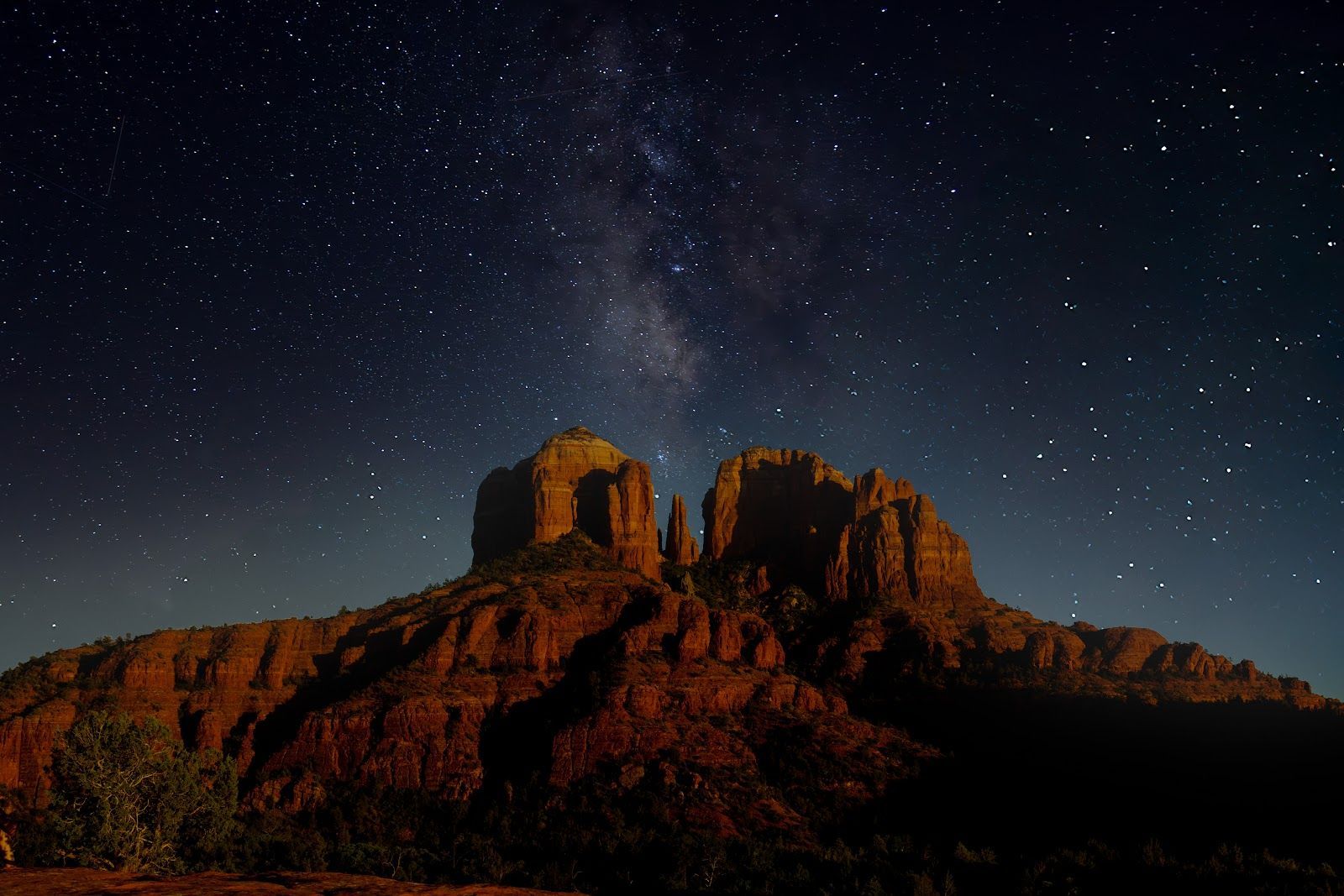
Start with a verified fact: in 2014, Sedona became the world’s eighth International Dark Sky Community, a designation awarded by the organization now known as DarkSky International. The recognition reflects the city’s work to reduce light pollution through outdoor-lighting standards and public education.
Read the official DarkSky designation announcement for the details.
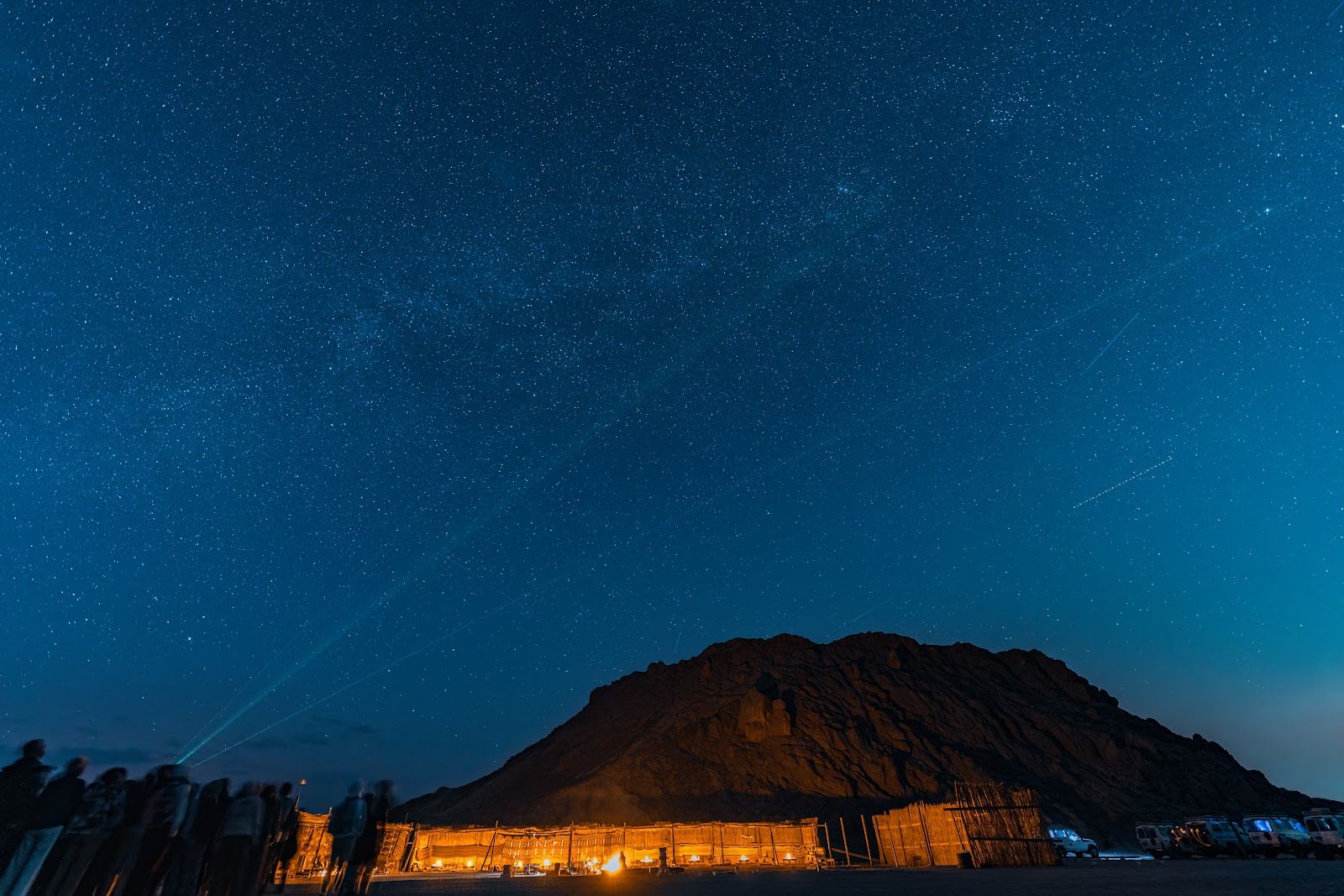
Less artificial light can make faint stars and the Milky Way easier to see when skies are clear and moonlight is limited. You may also notice aircraft, satellites and meteors. Not every moving light is a mystery, but the visibility makes sky watching interesting.
Reason 2: High Desert Nights Reward a Little Planning
Sedona sits at roughly 4,500 feet in Arizona’s high desert. Dry conditions can provide excellent nighttime visibility, but clear skies are never guaranteed. Clouds, smoke, wind, local lighting and the phase of the moon all affect what you can see.
Winter brings earlier darkness, along with cold evenings. Check the weather, choose a safe viewing spot and pack more layers than you think you will need. A good view is not worth an icy or unfamiliar trail after dark.
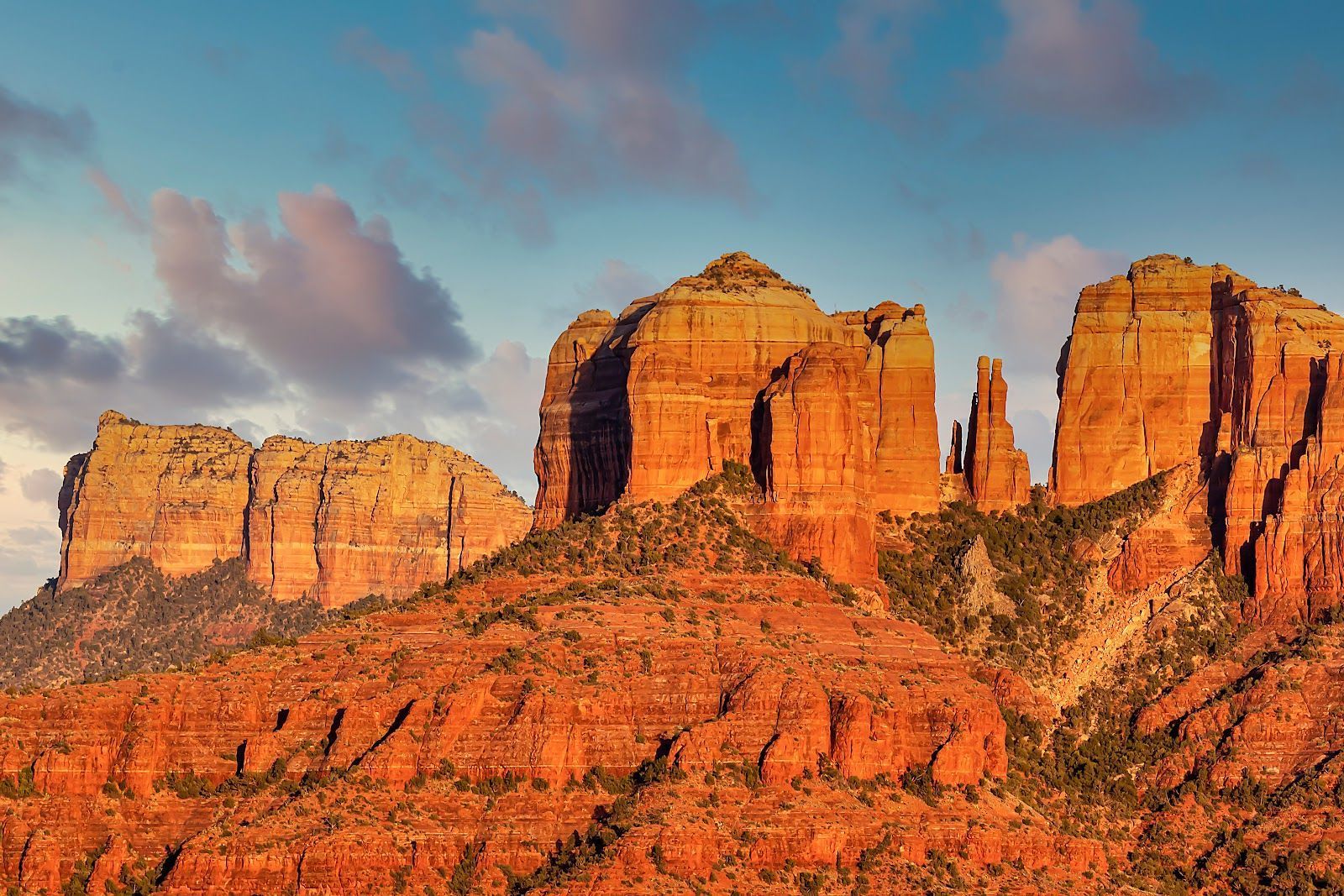
Reason 3: Decades of Stories
Sedona has attracted spiritual seekers and sky watchers for decades. Local UFO lore includes accounts of bright or unusual lights over the surrounding landscape. These are personal reports, not proof of extraterrestrial activity.
Arizona’s best-known mass sighting is the Phoenix Lights of March 13, 1997, when witnesses reported unusual lights in different parts of the state. Proposed explanations differ by sighting, and the event remains a frequent topic of debate.
For a closer look at the stories and possible explanations, read Strange Lights Over Sedona: Why People Keep Reporting Them.
Reason 4: Vortex Energy and the Spiritual Side of the Sky
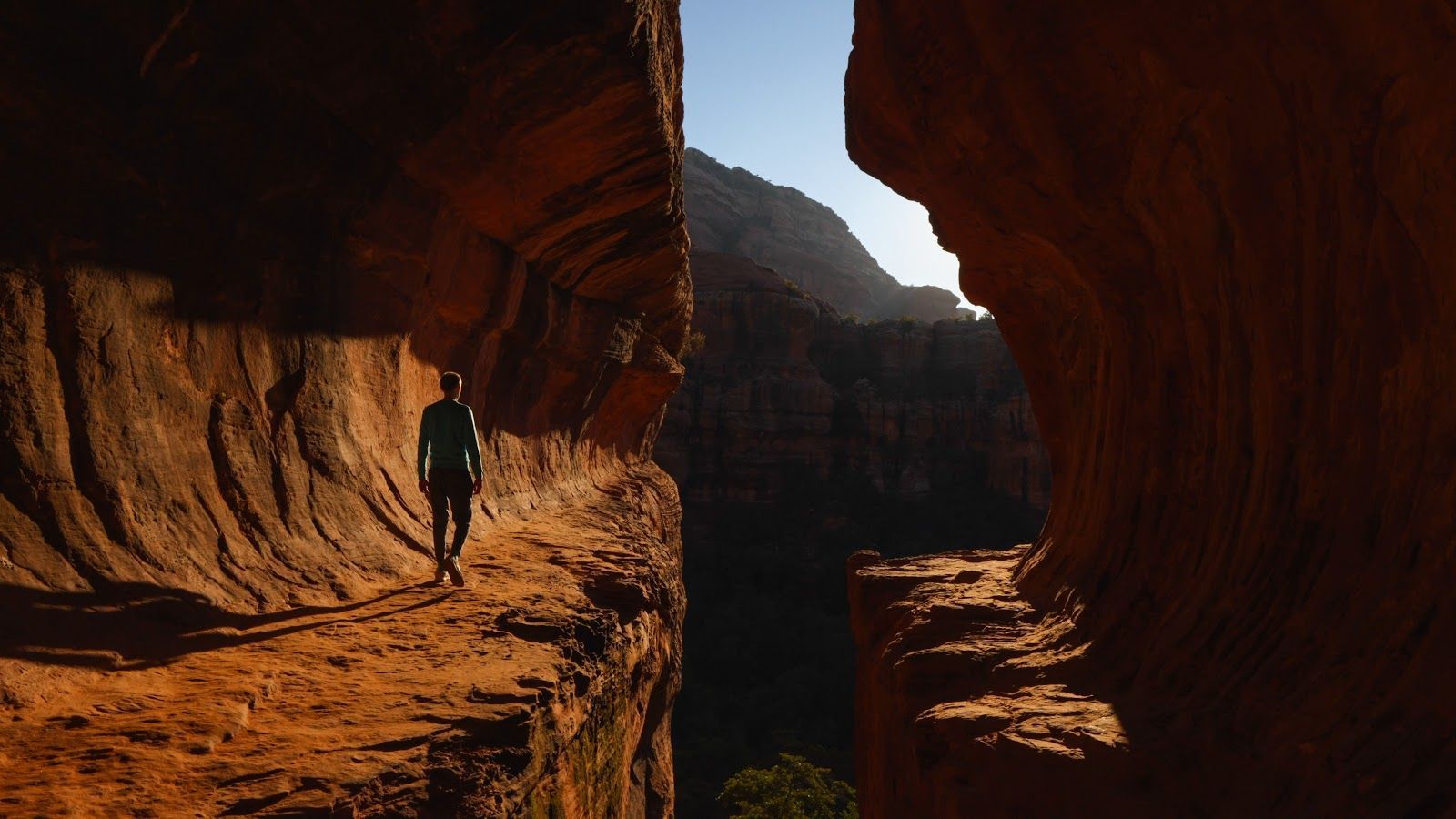
For some visitors, Sedona’s UFO culture and its vortex traditions are connected. Believers describe the vortexes as places of heightened spiritual energy and awareness. Those experiences are meaningful to some people, but the proposed energy fields have not been scientifically established.
You do not need to believe in vortex energy to enjoy a nighttime view. The combination of the landscape, local stories and a dark sky has its own appeal.
Curious about the places and their history? Start with Sedona Vortex Sites: What They Are and Where to Find Them.
Reason 5: The Tours Make It Easy
Sedona offers guided UFO and stargazing outings, many using night-vision equipment. Formats vary: some emphasize astronomy and identifying objects overhead; others focus more on local stories and spiritual interpretations.
Do not assume every tour is 60–90 minutes. One local operator currently advertises a 1.75-hour outing. Check each operator’s latest duration, equipment arrangements, meeting point, age limits, weather policy and price before booking.
Our existing guide, Booking a Sedona UFO Night Tour This Fall: What Actually Happens, explains what to expect and what to ask before reserving.
Where to Sky-Watch on Your Own
No tour? No problem. Bring warm layers, a dim red flashlight and patience.
- Airport Mesa area: Choose a legal, accessible overlook and confirm posted parking and access restrictions. Do not assume a trail or viewpoint remains open after dark.
- Established public viewing areas: Look for permitted places away from direct lights. Avoid unmarked roadside pullouts, private property and closed recreation sites.
- Your accommodation: If there is a safe outdoor guest area, try a few minutes outside after dark. Visibility varies with lighting, weather and the moon; not every patio has a clear view of the sky.
How to Time a Winter UFO Night
- Follow the moon: Nights near a new moon are usually better for faint stars than bright full-moon nights.
- Check meteor showers: The Geminids often peak in mid-December and the Quadrantids in early January, but viewing depends on the year’s conditions and moonlight.
- Dress for cold: Bring a jacket, hat, gloves and warm footwear. Temperatures can approach or fall below freezing.
- Stay flexible: A two- or three-night visit gives you a better chance of choosing a clear night.
What You Will Most Likely See
Most moving lights have familiar explanations: aircraft, satellites, satellite trains or meteors. Night-vision gear can reveal more faint lights, but it does not identify an object’s origin on its own.
Sometimes a light remains unidentified during a particular outing. That means the observers have not established what it was, not that an extraordinary explanation has been confirmed. Bring curiosity, ask questions and enjoy the conversation.
Frequently Asked Questions
Why is Sedona known for UFOs?
Sedona combines protected dark skies with local UFO stories and vortex traditions. The wider Arizona history of the Phoenix Lights adds to its reputation.
Are Sedona UFO tours worth it?
They can be fun for people who enjoy night skies, local storytelling and trying night-vision equipment. Experience and value depend on the operator and your expectations.
What is the best time of year for sky watching in Sedona?
Any season can offer a good clear night. In winter, plan for cold temperatures; for fainter stars, favor a moonless evening.
Can I watch the sky without a tour?
Yes, from a legal and safe public viewing area or a suitable guest space. Check access rules, weather and nighttime visibility first.
Look Up, Then Come Home to Dreamcatcher
The best sky-watching nights start with a sunset and end with a warm room and a long conversation about what you saw.
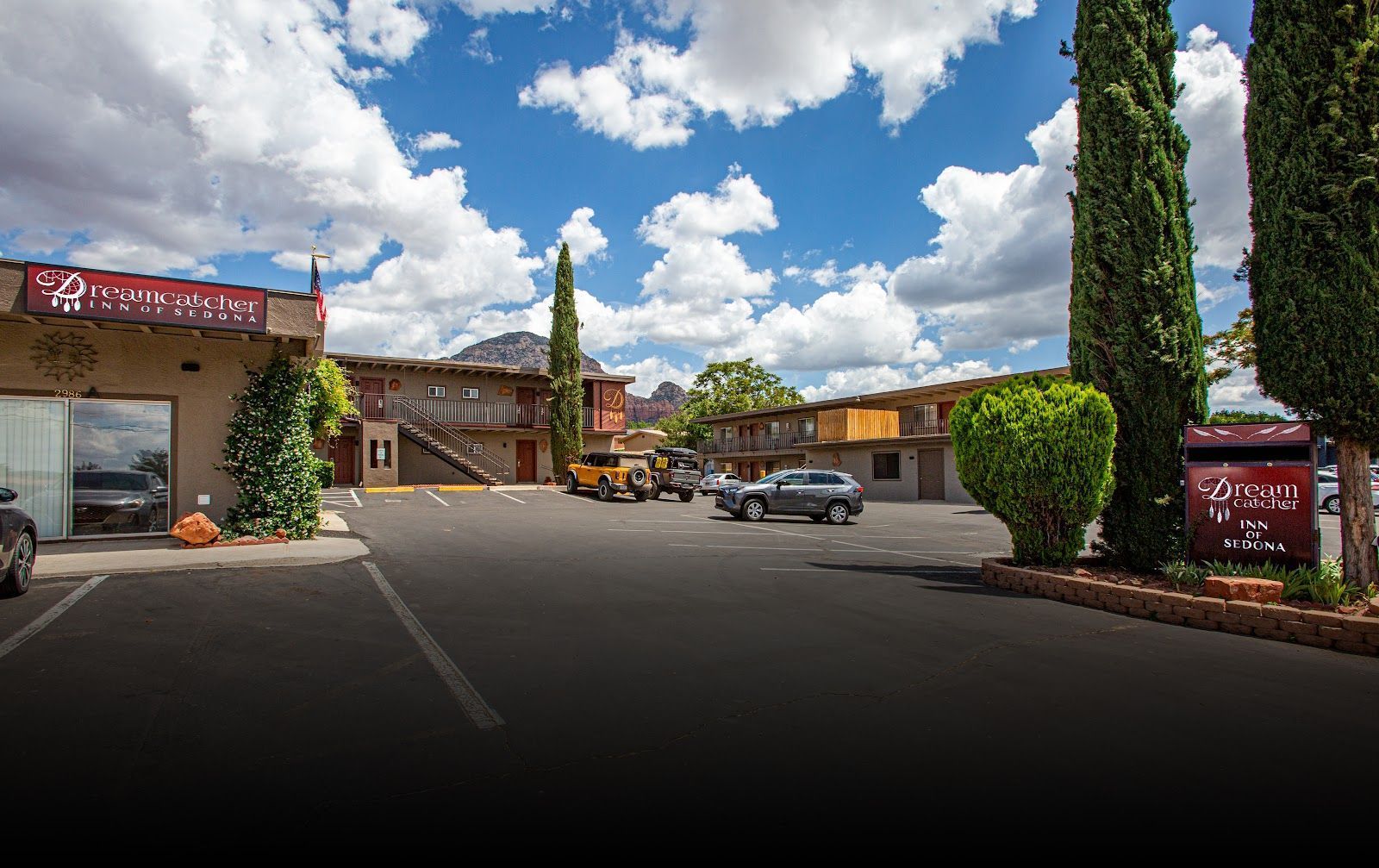
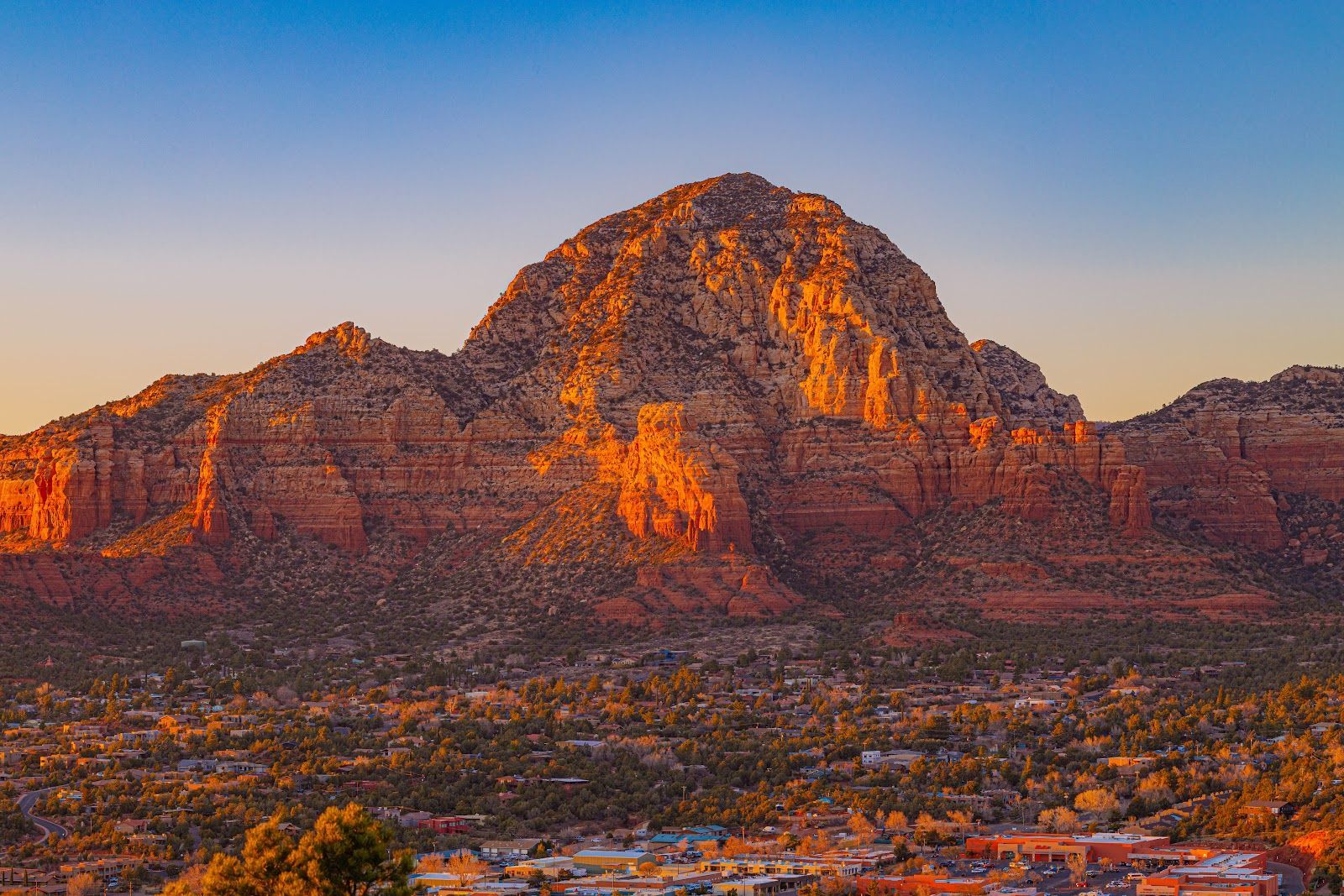
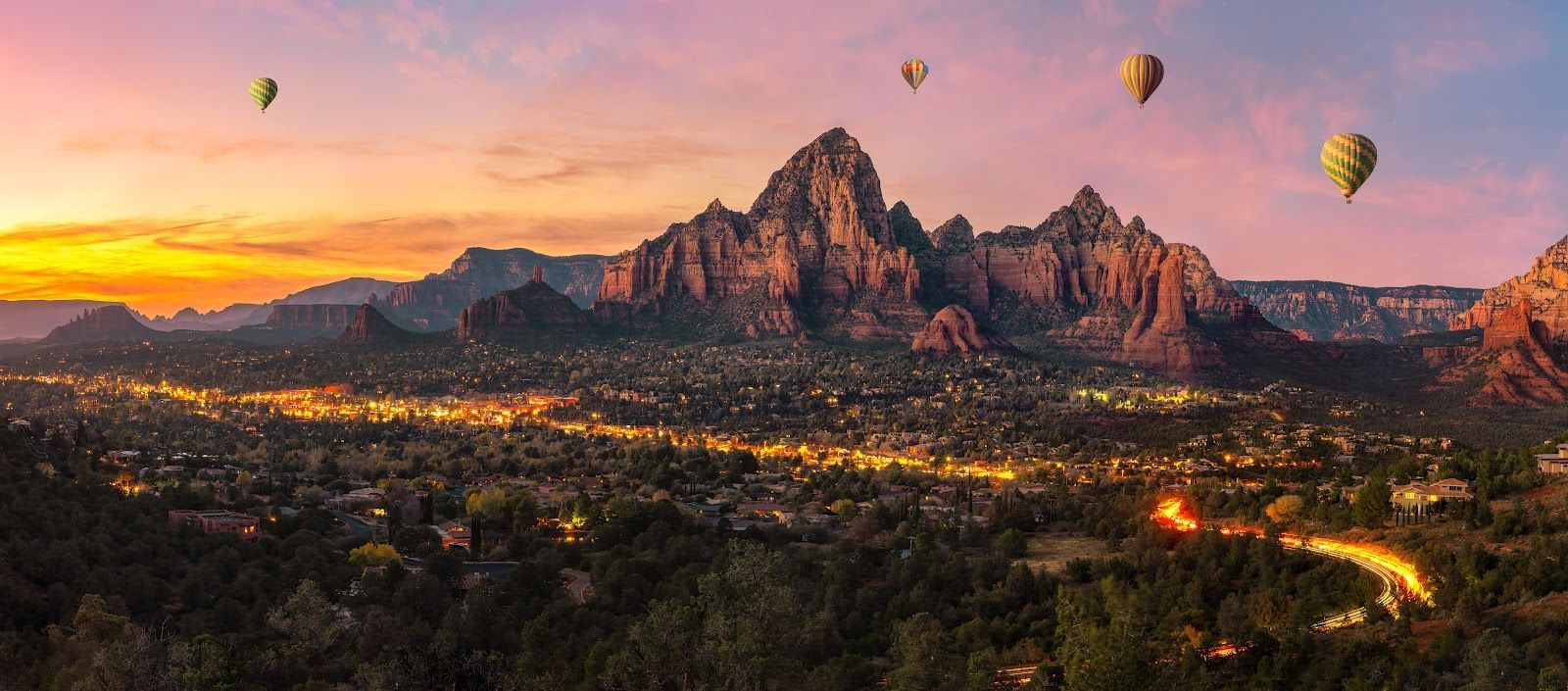
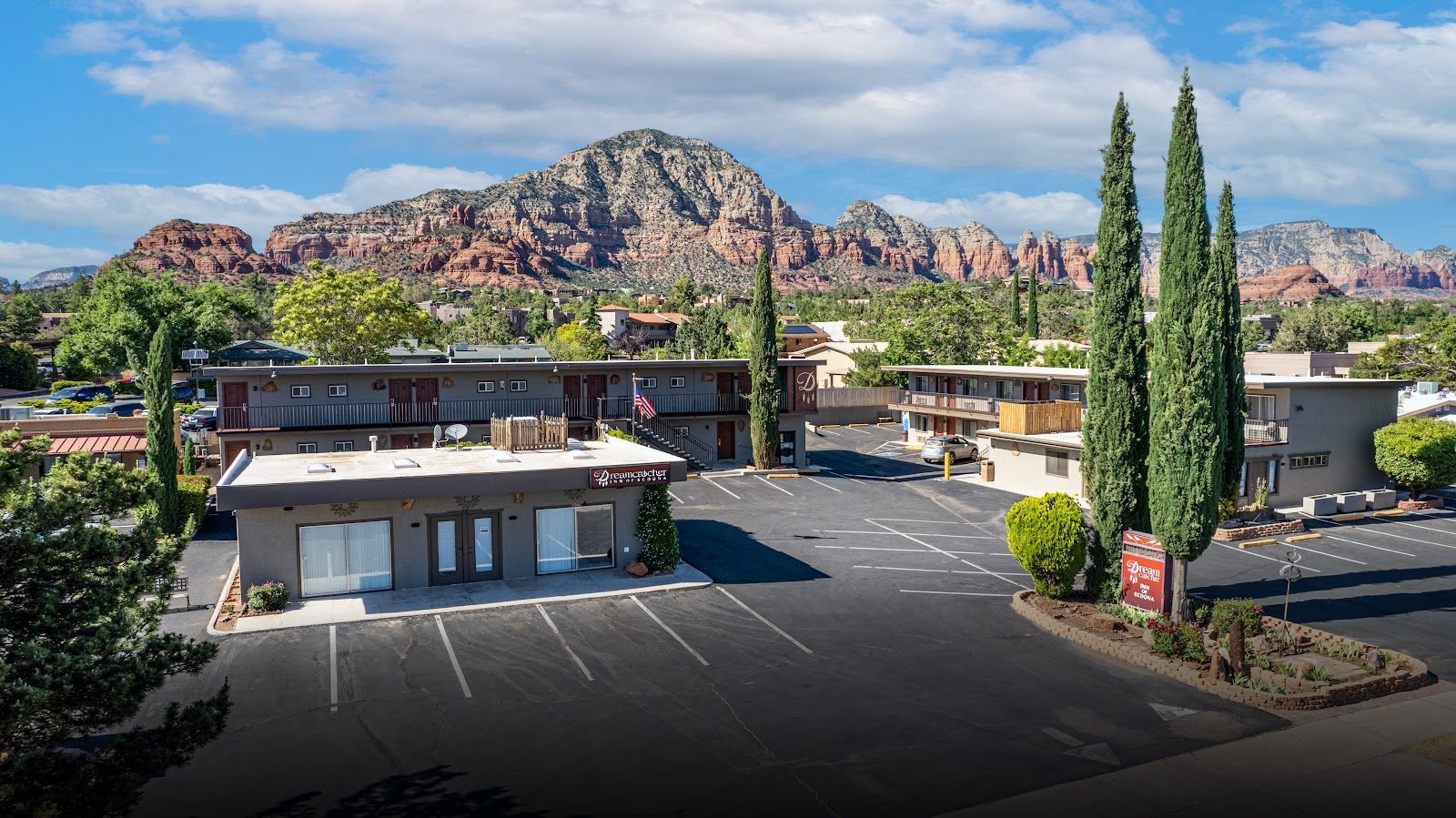
Dreamcatcher Inn of Sedona is a West Sedona base for exploring the night sky. Every guest room includes a mini-fridge and microwave. Select room categories have kitchenettes for longer stays, and some rooms have private outdoor seating with Thunder Mountain views. Free Wi-Fi and parking are available; check the specific room description before choosing your stay.
Ready to watch the skies? Explore Dreamcatcher’s rooms or call (928) 282-6680 to ask about availability. Book directly through the hotel.
Tell us what you see. Tag your Sedona sky photos with #DreamcatcherSedona.